
Materials
Paper Selection Guide for Bookbinding and Stationery
A breakdown of paper types, weight classifications, and grain direction — with notes on which stocks work best for different binding methods.
Read the guideFrom choosing the right paper weight to assembling a sewn-board notebook — this site covers the practical details of stationery design and bookbinding as practiced in Poland and across Europe.
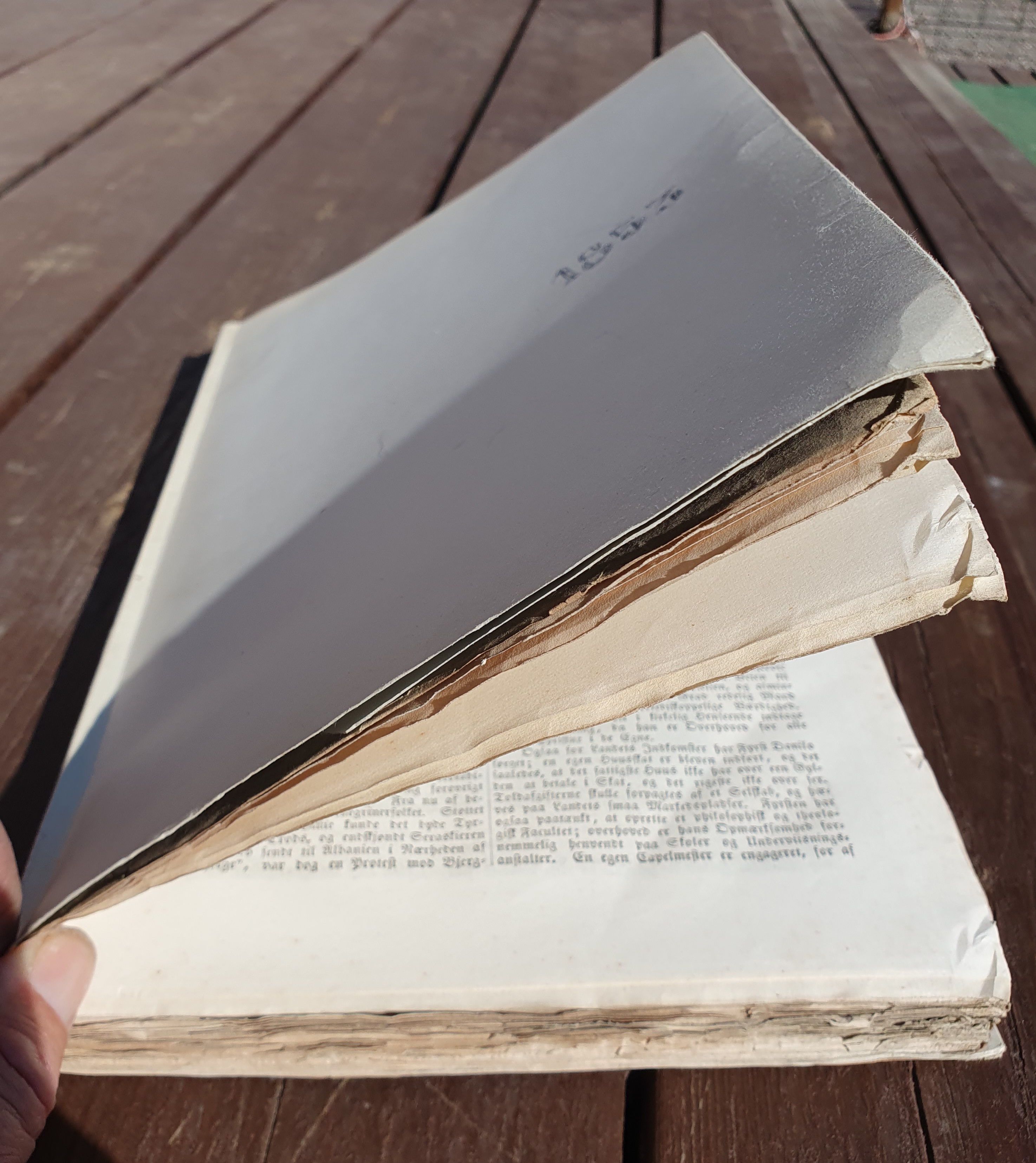
Handmade bookbinding sits at the intersection of paper craft, material selection, and structural engineering. The choice of paper, cover board, and binding style determines not just how a notebook looks, but how it holds up through years of use.
Core Topics
Three areas central to anyone working with handmade stationery and bookbinding.
Understanding gsm ratings, grain direction, acid-free properties, and how European paper mills classify their stocks for writing and printing use.
Book cloth, pasteboard, millboard, and conservation board — the differences in density, flexibility, and long-term stability when used for hard and soft covers.
Coptic stitch, long stitch, French link, and case binding — each method produces different opening characteristics and durability profiles.
Articles
Detailed articles on materials, techniques, and assembly — written for practical use.
A breakdown of paper types, weight classifications, and grain direction — with notes on which stocks work best for different binding methods.
Read the guide
An overview of the most common binding structures, the tools required, and the physical properties each method produces in the finished book.
Read the guide
Step-by-step notes on folding and collating signatures, preparing covers, and assembling a functional sewn-board notebook from scratch.
Read the guideContext
Poland has a documented tradition of bookbinding craft going back to medieval scriptoria in Kraków and Wrocław. Contemporary Polish bookbinders draw on both historical methods and materials available through European distributors.
The availability of acid-free paper and conservation-grade board through suppliers in Warsaw and Poznań means Polish craft bookbinders have access to the same materials used in professional conservation work.
Craft markets in Kraków, Gdańsk, and Warsaw regularly feature handbound notebooks and journals — a visible indicator of sustained interest in the form.
Paper sold in Poland follows ISO 216 for sheet sizes (A-series) and ISO 9706 for permanence — meaning acid-free, alkaline-buffered stock carries a measurable archival rating.
GSM (grams per square metre) is the standard weight measure. Common weights used in bookbinding:
Contact
Questions about content on this site, corrections, or topic suggestions — use the form below.